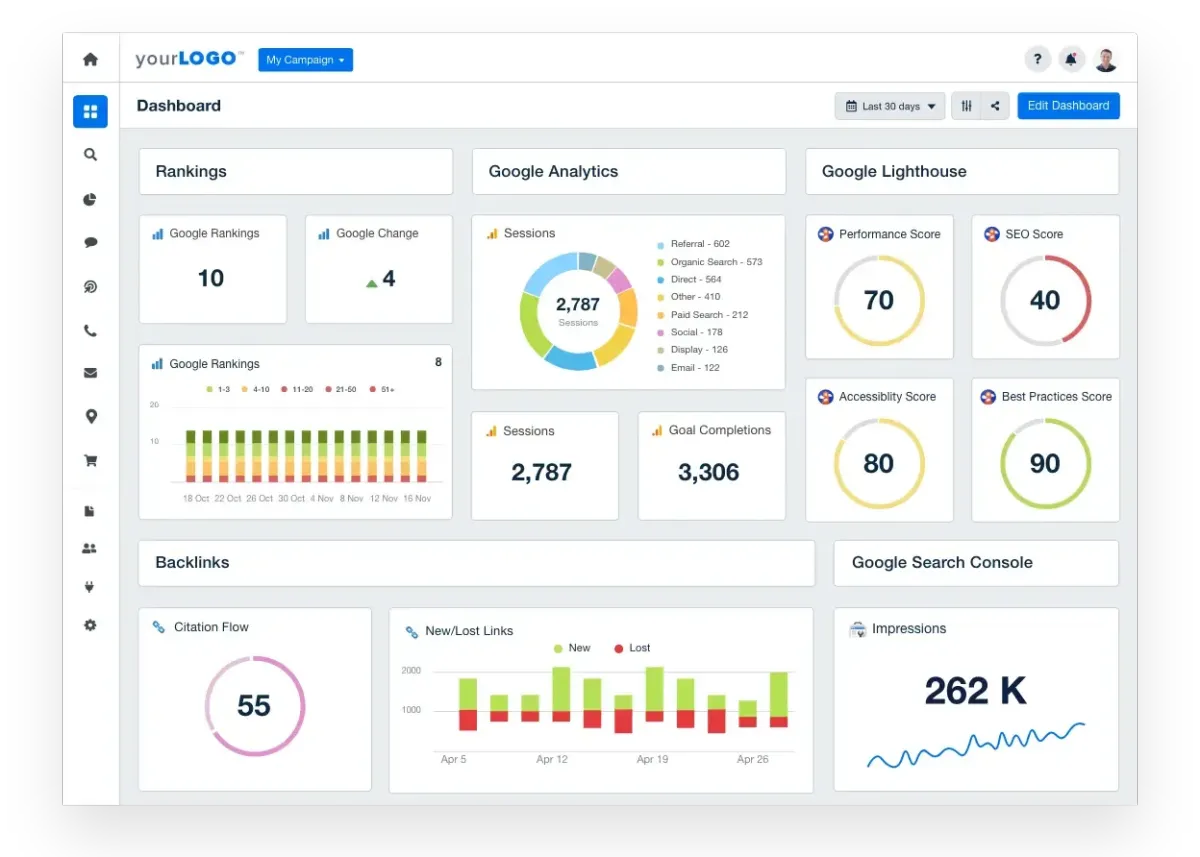
How to Create a High-Converting Website with SEO, Automation, and AI
Introduction
In today’s fast-paced digital world, businesses are constantly searching for ways to attract, nurture, and convert customers more efficiently. SEO, automation, and AI are three powerful tools that, when integrated, create a seamless marketing ecosystem.
Imagine a marketing system where:
✅ Your SEO strategy ensures you appear at the top of search results.
✅ Automation nurtures leads through email, SMS, and personalized messaging.
✅ AI optimizes every step, refining campaigns and predicting customer behavior.
By leveraging these three components together, businesses can build a self-sustaining marketing engine that works around the clock. In this post, we’ll explore how SEO, automation, and AI create a powerful synergy that can transform your marketing efforts.
1. SEO: The Foundation of Visibility
The first step in any successful marketing strategy is getting found online. If your website doesn’t appear on Google’s first page, 75% of users will never see it. That’s why SEO is essential—it ensures your business is visible to the right audience at the right time.
🔹 How SEO Attracts the Right Traffic
SEO is more than just using the right keywords. It involves three key areas:
1️⃣ Technical SEO – Ensuring your website is fast, mobile-friendly, and easy to navigate. Search engines prioritize user experience, so a slow, poorly structured website will hurt your rankings.
2️⃣ On-Page SEO – Creating high-quality, keyword-optimized content that aligns with what users are searching for. This includes optimizing:
Blog posts and website copy
Meta descriptions and title tags
Internal links and structured data
3️⃣ Off-Page SEO – Building trust and authority through backlinks from reputable websites. When other sites link to yours, search engines see it as a sign of credibility.
🔹 Why SEO is the First Step in Marketing Automation
Without consistent organic traffic, your marketing funnel won’t have enough leads to nurture. SEO ensures a steady flow of potential customers, setting the stage for automation to take over.
2. Marketing Automation: The Key to Nurturing Leads
Once SEO brings traffic to your website, what happens next? Not everyone is ready to buy immediately. This is where marketing automation plays a critical role by keeping leads engaged until they’re ready to convert.
🔹 How Automation Works
Automation eliminates repetitive tasks and ensures timely follow-ups. It allows businesses to:
✅ Send targeted email sequences based on user behavior.
✅ Trigger SMS campaigns with reminders and special offers.
✅ Segment leads and personalize their experience.
🔹 Real-World Automation Use Cases
1️⃣ Lead Nurturing with Email and SMS
A visitor downloads an eBook from your site.
They automatically receive an email series with helpful insights.
After a few days, they get an SMS reminder about a special offer.
2️⃣ Cart Abandonment Recovery
A customer adds products to their cart but doesn’t complete the purchase.
They receive an automated email: "Still thinking about it? Here’s a 10% discount!"
A follow-up SMS is sent the next day, increasing the chance of conversion.
3️⃣ Customer Follow-Ups and Retention
After a purchase, an automated email asks for feedback and suggests related products.
AI can even predict what the customer might buy next, increasing repeat sales.
Automation ensures that no lead is forgotten and keeps customers engaged without manual effort.
3. AI: The Power Behind Optimization and Personalization
AI takes marketing to the next level by making smarter decisions, optimizing content, and personalizing customer experiences.
🔹 AI Applications in Digital Marketing
1️⃣ AI-Powered Content Creation
AI tools like ChatGPT and Jasper can generate blog posts, social media captions, and ad copy in seconds.
Businesses can scale content production without sacrificing quality.
2️⃣ Predictive Analytics for Smarter Campaigns
AI analyzes customer behavior and predicts what they’ll do next.
Businesses can personalize offers based on user preferences.
AI-driven platforms adjust ad spending in real time for maximum ROI.
3️⃣ AI-Driven Chatbots for Instant Customer Support
Chatbots handle frequently asked questions, provide support, and even guide leads toward a purchase.
AI chatbots improve over time by learning from interactions.
🔹 The Role of AI in Enhancing SEO and Automation
AI doesn’t replace SEO and automation—it enhances them:
✅ AI can analyze search trends and recommend better keywords for SEO.
✅ AI helps refine email and SMS campaign targeting for higher conversions.
✅ AI optimizes ad performance by predicting which audience segments will respond best.
4. How SEO, Automation, and AI Work Together
Now that we’ve covered each component individually, let’s see how they interconnect to create a high-performing marketing system.
🔹 The Synergy in Action
1️⃣ SEO Brings Traffic – Optimized content attracts visitors searching for relevant topics.
2️⃣ Automation Nurtures Leads – Email, SMS, and chatbot sequences guide leads toward conversion.
3️⃣ AI Optimizes the Process – AI analyzes data to refine campaigns, personalize messages, and improve ad targeting.
🔹 Real-World Example: A Chiropractic Clinic’s Success Story
A chiropractic clinic struggled with low visibility and lead conversion rates. After integrating SEO, automation, and AI, they saw dramatic results:
SEO: Optimized website content led to a 50% increase in organic traffic.
Automation: Email and SMS follow-ups increased appointment bookings by 35%.
AI: AI-driven ad targeting improved conversion rates by 40%, reducing wasted ad spend.
By aligning these three components, the clinic built a self-sustaining marketing engine that attracted, engaged, and converted leads effortlessly.
5. Key Metrics to Track for Success
To ensure your SEO, automation, and AI strategies are working, track these key performance indicators (KPIs):
🔹 SEO Metrics
✅ Organic Traffic – How many visitors come from search engines?
✅ Keyword Rankings – Are you ranking higher for target keywords?
✅ Bounce Rate – Are visitors staying on your site or leaving quickly?
🔹 Automation Metrics
✅ Email Open Rates – Are people engaging with your email campaigns?
✅ Lead Conversions – How many leads are becoming customers?
✅ SMS Click-Through Rates – Are text messages driving engagement?
🔹 AI Metrics
✅ ROI on AI-Driven Ads – Are AI-optimized campaigns performing better?
✅ Predictive Insights Accuracy – Are AI predictions leading to improved decisions?
✅ Chatbot Effectiveness – Are chatbots resolving customer inquiries successfully?
By monitoring these metrics, businesses can continuously refine their strategies for maximum impact.
Conclusion
When SEO, automation, and AI work together, they form a marketing powerhouse that:
✅ Attracts targeted traffic (SEO)
✅ Engages and nurtures leads (Automation)
✅ Optimizes every step of the journey (AI)
The result? A smarter, more efficient marketing system that grows your business on autopilot.
What’s Next?
🚀 Start by improving one element at a time—optimize your SEO, implement automation, or experiment with AI-driven tools. As you integrate them, you’ll see exponential growth in your marketing results.